
WILLS, PROBATE & PRIVATE CLIENT
We help you with
- Making a Will
- Lasting Power of Attorney
- Protection of Assets
- Contentious Probate
- Probate Administration
- Estate Administration
We got it.
Thank you for contacting us.
We’ll get back to you as soon as possible.
Wills, Probate & Private Client
None of us can predict what the future holds but we can make sure we are prepared for it. Whether you want to protect your family's future, are dealing with the loss of a loved one, or need help managing the affairs of someone who can no longer do so themselves - our experienced Private Client team is here to help.
We have years of experience in wills, probate, trusts, powers of attorney and Court of Protection work. These are some of the most personal matters a person will ever deal with, and we treat them that way, with knowledge, empathy and patience.
You don't need to know what you need. You just need to know you need help. Come and talk to us.
Family
Families come in all shapes and sizes — and so do the challenges they face. Whether you're married or living together, whether your children are with you or elsewhere, when something in your family life goes wrong it can feel overwhelming.
You don't need to know the right legal language to contact us. You just need to know that you need help.
Our Family team, led by Jennifer Worcester, offers straightforward advice in plain English, with compassion, and at every step of the way. Whether you're facing something urgent or just trying to plan ahead, we'll tell you exactly where you stand and what your options are.
Children & Parenting • Separation & Protection • Agreements & Finances
"Our approach is simple: we treat every client the way we would want our own parents and family treated"

Planning for the Future
Making a will, setting up a Lasting Power of Attorney or putting a trust in place are not things most people enjoy thinking about. But they are some of the most practical and loving things you can do for the people who matter to you.
Having your affairs in order brings a genuine sense of satisfaction and relief and spares your family from having to deal with unnecessary complexity at an already difficult time. Our team makes the process straightforward, thorough and as stress-free as we can.
MAKING A WILL
Organising your will should not be a difficult, depressing or stressful experience. We think of it as financial and organisational planning for the future and we will guide you through it clearly, whether your situation is straightforward or complex.
Why is a will so important?
Without a valid will, the law decides how your estate is distributed and the outcome may bear no relation to what you would have wanted. It can be devastating for those left behind if a loved one dies without a will, particularly where the estate ends up passing to people the deceased did not know, or did not want to benefit.
As a real example from our own experience: we were instructed by a client whose relative had died without a will. Because of the complexity of the family tree, we had to trace 65 beneficiaries - located variously in England, Australia and Europe. The person who had cared for that relative for years received no proper recognition. All of this could have been avoided with a simple will.
What do we need to know to make your will?
Before your appointment, we will send you a will questionnaire to help you organise your thoughts. When we meet, we will work through the following with you:
- Who you would like to benefit from your estate
- What you own - property, savings, investments, pensions, business interests
- Whether you have made a previous will
- Whether you wish to exclude anyone
- What happens if your primary beneficiary dies before you
- Who you would like to appoint as executor - the person responsible for carrying out your wishes
- Whether you have children who need provision, and who would look after them
- Any particular wishes around specific gifts, funeral arrangements or charitable donations
We can help whether your needs are straightforward - a simple will leaving everything to a spouse and then to your children - or complex, involving an estate above the inheritance tax threshold, trusts, business interests or international assets.
STEP Accredited
- Louise Salisbury is an accredited member of STEP - the Society of Trusts and Estate Practitioners
- Our team are also accredited members of Solicitors for the Elderly and the Law Society Probate Section
- These accreditations mean you are working with specialists who are trained and tested to the highest standard in this area of law
LASTING POWERS OF ATTORNEY
We are all living longer and as we do, it becomes more likely that at some point we will need someone we trust to step in and manage our affairs, whether due to physical illness, an accident, or the gradual loss of mental capacity.
A Lasting Power of Attorney (LPA) is a legal document that lets you appoint one or more people - your 'attorneys' - to make decisions on your behalf if you are unable to do so. It is one of the most important documents you can have in place, and without one, your family may find themselves unable to help you when you need it most.
There are two types of LPA
LPA for Health and Welfare
This can only be used if you are unable to make your own decisions. It allows your attorney to make decisions about:
- Who you have contact with
- Where you should live
- Your day-to-day care, diet and routine
- Whether to consent to or refuse medical treatment on your behalf
LPA for Property and Financial Affairs
This allows your attorney to assist with or manage your financial affairs. It can be used at your request whilst you still have capacity — and continues to be used if you no longer have capacity. It covers decisions such as:
- Managing bank accounts and paying bills
- Buying and selling property
- Collecting income and benefits
- Making investments on your behalf
Registration and professional attorneys
Both types of LPA must be registered with the Office of the Public Guardian before they can be used. Attorneys are subject to legal restrictions and must comply with the Mental Capacity Act 2005. Our team can advise you on choosing the right attorneys, drafting the documents and handling the registration process for you.
We are also experienced professional attorneys and are happy to act as attorney if you have no suitable person to appoint, or wish to appoint a professional alongside a family member.
What about an existing Enduring Power of Attorney?
The Enduring Power of Attorney (EPA) was replaced by the LPA on 1 October 2007. However, if you signed an EPA before that date, it may still be valid and capable of being used. Contact us and we will advise you on your specific situation.
TRUSTS & PROTECTION OF ASSETS
A trust is a legal arrangement in which assets - property, money, investments - are held by one or more people (the trustees) for the benefit of others (the beneficiaries). Trusts are a powerful and flexible planning tool, but they require careful thought and expert drafting.
Why might you need a trust?
- To protect assets for a vulnerable beneficiary - for example, a child or a person with a disability - who cannot manage funds themselves
- To ensure assets pass to the right people in complex family situations, such as where one spouse has children from a previous relationship
- To plan for care home costs and protect assets for future generations
- To reduce the inheritance tax liability on your estate
- To hold assets for a beneficiary until they reach a specified age
Important considerations
A trust can last for up to 125 years and requires careful long-term planning. There may be tax consequences, both at the point of creation and during the life of the trust and consideration needs to be given to your specific intentions and what you are hoping to achieve.
There are also rules relating to deprivation of assets in relation to care home funding. We will always advise you on these before any trust is established.
Whatever your circumstances, we will discuss the options with you clearly and make sure any trust we put in place genuinely achieves what you need it to.
Inheritance & Tax Planning
With careful planning, it may be possible to significantly reduce the amount of inheritance tax payable on your estate - meaning more of what you have worked for passes to the people you care about.
The basics of inheritance tax
The inheritance tax threshold - known as the nil rate band - is currently £325,000. Estates above this level are subject to inheritance tax at 40% on the excess. However, married couples and registered civil partners can effectively double this to £650,000 by transferring any unused nil rate band from the first spouse's estate to the second.
There is also a Residence Nil Rate Band of £175,000 and potentially up to £350,000 available if you are leaving a property you have lived in directly to a descendant such as a child, stepchild or grandchild. This means a married couple may be able to pass on up to £1 million free of inheritance tax in the right circumstances.
What planning measures are available?
There are various steps you can take during your lifetime to reduce the value of your estate for inheritance tax purposes. These include:
- Making gifts - including exempt annual gifts and gifts from surplus income
- Gifts to charity and certain national institutions, which are exempt from inheritance tax
- Establishing trusts to hold assets outside of your estate
- Making use of business and agricultural property reliefs where applicable
- Life insurance arrangements written in trust
Tax planning in this area is genuinely complex and requires a thorough understanding of your full circumstances. We will advise you clearly on what is achievable and the most appropriate approach for your situation.
CHILD ARANGEMENTS
When parents separate, one of the first questions is: where will the children live, and how will they spend time with both parents?
We will help you reach a workable agreement about care and contact arrangements, always keeping your children's wellbeing at the centre of every decision.
We will first try to help you reach an agreement without going to court - this is nearly always better for the children and for everyone involved. If that isn't possible, we can make an application to the Court on your behalf.
What is a Child Arrangements Order?
A Child Arrangements Order is a legally binding order made by the Court that sets out the details of your children's lives following separation. It can specify:
- Who the children live with
- Who the children spend time with, and when
- Which school they attend
- Any other arrangements necessary for the children until they reach the age of 16
We will guide you through every stage of this process and help you achieve the best possible outcome for your family.
What about communication between parents?
Good communication between separated parents is important - but we understand it can be extremely difficult.
Practical advice for separated parents
- Don't use the children as messengers - it is too easy for things to be said that end up hurting them. If direct conversation is difficult, use text or email instead.
- Email gives you time to consider your words carefully and creates a clear written record, avoiding misunderstandings.
- Don't criticise the other parent in front of the children. Your children benefit from having a good relationship with both parents - just because a relationship has ended doesn't mean theirs has to.
SPECIAL GUARDIANSHIP
Sometimes, a child cannot live with either of their birth parents. In these circumstances, a Special Guardianship Order gives another trusted adult - often a grandparent, aunt, uncle or family friend.
We regularly receive referrals from the local authority to advise individuals who have been approached about taking on this role. We will explain clearly:
- What a Special Guardianship Order means in practice
- What responsibilities and rights come with it
- What financial support may be available to you
- How the process works and what to expect
This is a significant step, and we'll make sure you fully understand what you're taking on before proceeding.
PRVATE ADOPTION
We handle private adoption - helping individuals and families navigate the legal process of formally adopting a child. It is one of the most life-changing legal steps a family can take and we are here to make the process as clear and manageable as possible.
We will guide you through the legal requirements, explain what is involved at each stage and support you from the first conversation to the final order.
Making A Will
Lasting Powers of Attorney
Trusts & Protection of Assets
Organising your will should not be a difficult, depressing or stressful experience. We think of it as financial and organisational planning for the future and we will guide you through it clearly, whether your situation is straightforward or complex.
Why is a will so important?
Without a valid will, the law decides how your estate is distributed and the outcome may bear no relation to what you would have wanted. It can be devastating for those left behind if a loved one dies without a will, particularly where the estate ends up passing to people the deceased did not know, or did not want to benefit.
As a real example from our own experience: we were instructed by a client whose relative had died without a will. Because of the complexity of the family tree, we had to trace 65 beneficiaries, located variously in England, Australia and Europe. The person who had cared for that relative for years received no proper recognition. All of this could have been avoided with a simple will.
What do we need to know to make your will?
Before your appointment, we will send you a will questionnaire to help you organise your thoughts. When we meet, we will work through the following with you:
- Who you would like to benefit from your estate
- What you own - property, savings, investments, pensions, business interests
- Whether you have made a previous will
- Whether you wish to exclude anyone
- What happens if your primary beneficiary dies before you
- Who you would like to appoint as executor - the person responsible for carrying out your wishes
- Whether you have children who need provision, and who would look after them
- Any particular wishes around specific gifts, funeral arrangements or charitable donations
We can help whether your needs are straightforward - a simple will leaving everything to a spouse and then to your children - or complex, involving an estate above the inheritance tax threshold, trusts, business interests or international assets.
STEP Accredited
- Louise Salisbury is an accredited member of STEP - the Society of Trusts and Estate Practitioners
- Our team are also accredited members of Solicitors for the Elderly and the Law Society Probate Section
- These accreditations mean you are working with specialists who are trained and tested to the highest standard in this area of law
Making A Will
We are all living longer and as we do, it becomes more likely that at some point we will need someone we trust to step in and manage our affairs, whether due to physical illness, an accident, or the gradual loss of mental capacity.
A Lasting Power of Attorney (LPA) is a legal document that lets you appoint one or more people - your 'attorneys' - to make decisions on your behalf if you are unable to do so. It is one of the most important documents you can have in place, and without one, your family may find themselves unable to help you when you need it most.
There are two types of LPA
LPA for Health and Welfare
This can only be used if you are unable to make your own decisions. It allows your attorney to make decisions about:
- Who you have contact with
- Where you should live
- Your day-to-day care, diet and routine
- Whether to consent to or refuse medical treatment on your behalf
LPA for Property and Financial Affairs
This allows your attorney to assist with or manage your financial affairs. It can be used at your request whilst you still have capacity — and continues to be used if you no longer have capacity. It covers decisions such as:
- Managing bank accounts and paying bills
- Buying and selling property
- Collecting income and benefits
- Making investments on your behalf
Registration and professional attorneys
Both types of LPA must be registered with the Office of the Public Guardian before they can be used. Attorneys are subject to legal restrictions and must comply with the Mental Capacity Act 2005. Our team can advise you on choosing the right attorneys, drafting the documents and handling the registration process for you.
We are also experienced professional attorneys and are happy to act as attorney if you have no suitable person to appoint, or wish to appoint a professional alongside a family member.
What about an existing Enduring Power of Attorney?
The Enduring Power of Attorney (EPA) was replaced by the LPA on 1 October 2007. However, if you signed an EPA before that date, it may still be valid and capable of being used. Contact us and we will advise you on your specific situation.
Lasting Powers of Attorney
A trust is a legal arrangement in which assets - property, money, investments - are held by one or more people (the trustees) for the benefit of others (the beneficiaries). Trusts are a powerful and flexible planning tool, but they require careful thought and expert drafting.
Why might you need a trust?
- To protect assets for a vulnerable beneficiary - for example, a child or a person with a disability - who cannot manage funds themselves
- To ensure assets pass to the right people in complex family situations, such as where one spouse has children from a previous relationship
- To plan for care home costs and protect assets for future generations
- To reduce the inheritance tax liability on your estate
- To hold assets for a beneficiary until they reach a specified age
Important considerations
A trust can last for up to 125 years and requires careful long-term planning. There may be tax consequences, both at the point of creation and during the life of the trust and consideration needs to be given to your specific intentions and what you are hoping to achieve.
There are also rules relating to deprivation of assets in relation to care home funding. We will always advise you on these before any trust is established.
Whatever your circumstances, we will discuss the options with you clearly and make sure any trust we put in place genuinely achieves what you need it to.
Inheritance & tax planning
With careful planning, it may be possible to significantly reduce the amount of inheritance tax payable on your estate - meaning more of what you have worked for passes to the people you care about.
The basics of inheritance tax
The inheritance tax threshold - known as the nil rate band - is currently £325,000. Estates above this level are subject to inheritance tax at 40% on the excess. However, married couples and registered civil partners can effectively double this to £650,000 by transferring any unused nil rate band from the first spouse's estate to the second.
There is also a Residence Nil Rate Band of £175,000 and potentially up to £350,000 available if you are leaving a property you have lived in directly to a descendant such as a child, stepchild or grandchild. This means a married couple may be able to pass on up to £1 million free of inheritance tax in the right circumstances.
What planning measures are available?
There are various steps you can take during your lifetime to reduce the value of your estate for inheritance tax purposes. These include:
- Making gifts - including exempt annual gifts and gifts from surplus income
- Gifts to charity and certain national institutions, which are exempt from inheritance tax
- Establishing trusts to hold assets outside of your estate
- Making use of business and agricultural property reliefs where applicable
- Life insurance arrangements written in trust
Tax planning in this area is genuinely complex and requires a thorough understanding of your full circumstances. We will advise you clearly on what is achievable and the most appropriate approach for your situation.
Trusts & Protection of Assets
"They need somebody who knows what they're doing, to make the process as seamless and as stress-free as possible. That is what we are here for."

When Someone Dies
When a loved one dies, the last thing most families want to think about is legal paperwork. But dealing with someone's estate - their property, their money, their possessions - is something that has to happen, and it can feel overwhelming when you don't know where to begin.
Our experienced team will take that weight off your shoulders. You can bring everything to us - even if you don't know what you've got and we will work through it with you, clearly and patiently, at a pace that suits you.
When Someone Dies
When a loved one dies, the last thing most families want to think about is legal paperwork. But dealing with someone's estate, their property, their money, their possessions is something that has to happen, and it can feel overwhelming when you don't know where to begin.
Our experienced team will take that weight off your shoulders. You can bring everything to us, even if you don't know what you've got and we will work through it with you, clearly and patiently, at a pace that suits you.
PROBATE & ESTATE ADMINISTRATION
When someone dies, their estate - their property, money, possessions and other assets, minus any debts - needs to be dealt with. The person responsible for doing this is either the executor named in the will or an administrator if there is no will or the executor is unable to act.
What does dealing with an estate involve?
Depending on the size and complexity of the estate, this can include:
- Identifying and valuing all assets - property, bank accounts, investments, pensions, personal possessions, business interests
- Establishing and settling any liabilities - mortgages, debts, outstanding bills, income tax
- Completing Inland Revenue forms and dealing with any inheritance tax due
- Applying to the Probate Registry for a Grant of Probate (where there is a will) or Letters of Administration (where there is no will) - the legal documents that authorise you to deal with the estate
- Closing bank accounts, selling or transferring property and other assets
- Distributing the estate to the beneficiaries
What is a Grant of Probate?
A Grant of Probate is the document issued by the Probate Registry that gives the executor the legal authority to deal with the deceased's estate - their property, possessions and money. Without it, many banks and financial institutions will not release funds. For estates where a grant is required, we will handle the application and all of the supporting paperwork.
How much can we help with?
We offer a complete estate administration service - we handle everything from start to finish, keeping you informed at every stage. If you only need help obtaining the Grant of Probate and are confident you can handle the rest, we offer a more limited grant-only service for that.
We can also arrange home and hospital visits if you are unable to come to us.
Inheritance tax and complex estates
Where an estate is large, involves multiple assets, has significant inheritance tax implications, or the deceased did not leave a will, the administration process can become considerably more complex. This is where our expertise makes a real difference.
As a practical example from our experience: we administered an estate where the deceased had no will and no close family. We had to trace the family tree and ultimately identified 65 beneficiaries - located in England, Australia and Europe - sharing the estate in shares ranging from one-twelfth to one-1008th. This kind of complexity is exactly what we are equipped to handle.
CHILD ARANGEMENTS
When parents separate, one of the first questions is: where will the children live, and how will they spend time with both parents?
We will help you reach a workable agreement about care and contact arrangements, always keeping your children's wellbeing at the centre of every decision.
We will first try to help you reach an agreement without going to court - this is nearly always better for the children and for everyone involved. If that isn't possible, we can make an application to the Court on your behalf.
What is a Child Arrangements Order?
A Child Arrangements Order is a legally binding order made by the Court that sets out the details of your children's lives following separation. It can specify:
- Who the children live with
- Who the children spend time with, and when
- Which school they attend
- Any other arrangements necessary for the children until they reach the age of 16
We will guide you through every stage of this process and help you achieve the best possible outcome for your family.
What about communication between parents?
Good communication between separated parents is important - but we understand it can be extremely difficult.
Practical advice for separated parents
- Don't use the children as messengers - it is too easy for things to be said that end up hurting them. If direct conversation is difficult, use text or email instead.
- Email gives you time to consider your words carefully and creates a clear written record, avoiding misunderstandings.
- Don't criticise the other parent in front of the children. Your children benefit from having a good relationship with both parents - just because a relationship has ended doesn't mean theirs has to.
SPECIAL GUARDIANSHIP
Sometimes, a child cannot live with either of their birth parents. In these circumstances, a Special Guardianship Order gives another trusted adult - often a grandparent, aunt, uncle or family friend.
We regularly receive referrals from the local authority to advise individuals who have been approached about taking on this role. We will explain clearly:
- What a Special Guardianship Order means in practice
- What responsibilities and rights come with it
- What financial support may be available to you
- How the process works and what to expect
This is a significant step, and we'll make sure you fully understand what you're taking on before proceeding.
PRVATE ADOPTION
We handle private adoption - helping individuals and families navigate the legal process of formally adopting a child. It is one of the most life-changing legal steps a family can take and we are here to make the process as clear and manageable as possible.
We will guide you through the legal requirements, explain what is involved at each stage and support you from the first conversation to the final order.
Probate & Estate Administration
When someone dies, their estate, their property, money, possessions and other assets, minus any debts, needs to be dealt with. The person responsible for doing this is either the executor named in the will or an administrator if there is no will or the executor is unable to act.
What does dealing with an estate involve?
Depending on the size and complexity of the estate, this can include:
- Identifying and valuing all assets - property, bank accounts, investments, pensions, personal possessions, business interests
- Establishing and settling any liabilities - mortgages, debts, outstanding bills, income tax
- Completing Inland Revenue forms and dealing with any inheritance tax due
- Applying to the Probate Registry for a Grant of Probate (where there is a will) or Letters of Administration (where there is no will) - the legal documents that authorise you to deal with the estate
- Closing bank accounts, selling or transferring property and other assets
- Distributing the estate to the beneficiaries
What is a Grant of Probate?
A Grant of Probate is the document issued by the Probate Registry that gives the executor the legal authority to deal with the deceased's estate, their property, possessions and money. Without it, many banks and financial institutions will not release funds. For estates where a grant is required, we will handle the application and all of the supporting paperwork.
How much can we help with?
We offer a complete estate administration service, we handle everything from start to finish, keeping you informed at every stage. If you only need help obtaining the Grant of Probate and are confident you can handle the rest, we offer a more limited grant-only service for that.
We can also arrange home and hospital visits if you are unable to come to us.
Inheritance tax and complex estates
Where an estate is large, involves multiple assets, has significant inheritance tax implications, or the deceased did not leave a will, the administration process can become considerably more complex. This is where our expertise makes a real difference.
As a practical example from our experience: we administered an estate where the deceased had no will and no close family. We had to trace the family tree and ultimately identified 65 beneficiaries - located in England, Australia and Europe - sharing the estate in shares ranging from one-twelfth to one-1008th. This kind of complexity is exactly what we are equipped to handle.
Probate & Estate Administration
"We try to resolve issues before costs increase. The goal is always a sensible outcome, reached as quickly as possible."
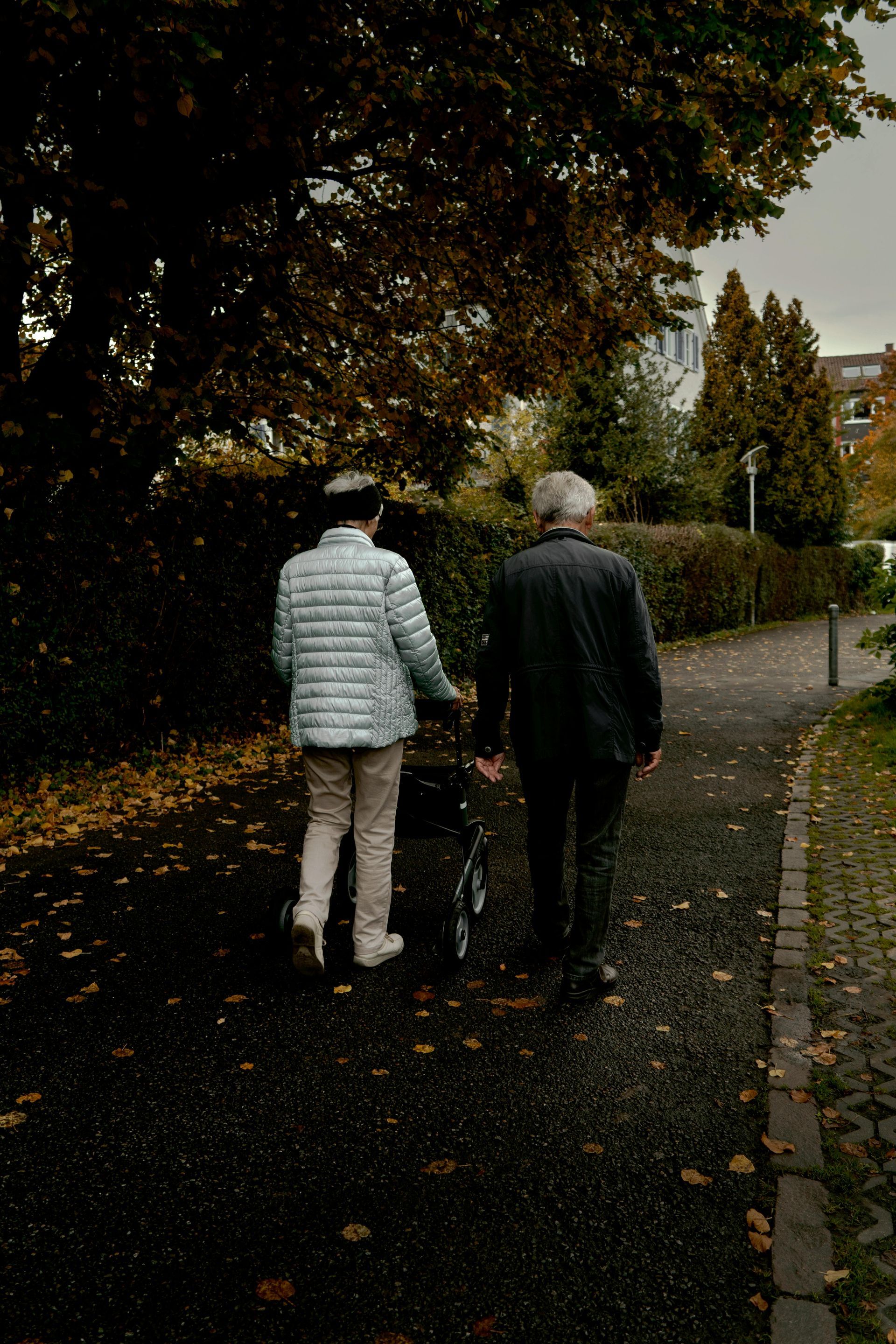
Court of Protection
Most people know they should have a Lasting Power of Attorney in place but many do not get around to it in time. When someone loses the mental capacity to manage their own affairs and no power of attorney exists, a family member or professional must apply to the Court of Protection for a Deputyship Order.
This is a process we deal with regularly and we understand how difficult it can be. Whether you are a family member trying to help a loved one or someone who has been approached about taking on this role, we will explain everything clearly and support you throughout.
WHAT IS THE COURT OF PROTECTION?
The Court of Protection is a specialist court that makes decisions about the financial affairs and personal welfare of people who lack the mental capacity to make those decisions themselves. It has the power to appoint a 'deputy' - a trusted person, or in some cases a professional - to manage those affairs on the person's behalf.
The Court of Protection is heavily regulated, with strict rules about how deputies must act and what records they must keep. This is to protect the interests of the vulnerable person at all times.
APPOINTMENT OF DEPUTIES
A Deputyship Order from the Court of Protection can be applied for by a friend or family member, or by AST Hampsons on your behalf. It allows the appointed deputy to manage the affairs of someone who has lost capacity and cannot grant a power of attorney.
There are two types of Deputyship
Property & Financial Affairs Deputy
The most common type. This authorises the deputy to manage the person's financial life - paying bills, managing bank accounts, collecting income and benefits, and if authorised, dealing with property. The deputy must always act in the person's best interests and keep full records of all financial decisions.
Personal Welfare Deputy
This covers decisions about the person's care and welfare - where they live, who they have contact with, their day-to-day routine and medical decisions. Personal welfare deputies are less commonly appointed; the Court more often makes specific orders for individual decisions.
Responsibilities of a deputy
- Always act in the best interests of the person you are deputy for
- Consider what the person would have wanted, based on their known preferences and values
- Keep accurate and up-to-date financial records
- Report regularly to the Office of the Public Guardian
- Seek the Court's permission before making significant decisions, such as selling a property
Important: the consequences of acting improperly
- A deputy who acts in a manner that is detrimental or neglectful to the person they represent can be fined or imprisoned
- The Court of Protection actively supervises deputies throughout the deputyship
- We will always provide you with a full explanation of your responsibilities before you take on this role
We will provide you with details of our costs and the Court fees at the outset. These fees are usually recoverable from the assets of the person concerned.
ACTING AS PROFESSIONAL DEPUTY
Sometimes there is no suitable family member or friend to act as deputy or the person's affairs are sufficiently complex that a professional is the right choice. In these cases, the team at AST Hampsons can act as professional deputy.
When might a professional deputy be appropriate?
- When the person has no family or no family member willing or able to take on the role
- When the person's assets are substantial or their affairs are complex
- When family members disagree about who should act, or there is a family dispute
- When the local authority or another professional has identified the need and a professional is the appropriate choice
The team have developed a dedicated system for managing deputyship cases, supporting clients and their families with genuine care and thoroughness. This is an area we are actively developing and growing.
We are experienced in receiving referrals from local authorities and other professional bodies. The Court of Protection requires regular reporting and strict adherence to its rules, and our team is fully equipped to meet those obligations.
CHILD ARANGEMENTS
When parents separate, one of the first questions is: where will the children live, and how will they spend time with both parents?
We will help you reach a workable agreement about care and contact arrangements, always keeping your children's wellbeing at the centre of every decision.
We will first try to help you reach an agreement without going to court - this is nearly always better for the children and for everyone involved. If that isn't possible, we can make an application to the Court on your behalf.
What is a Child Arrangements Order?
A Child Arrangements Order is a legally binding order made by the Court that sets out the details of your children's lives following separation. It can specify:
- Who the children live with
- Who the children spend time with, and when
- Which school they attend
- Any other arrangements necessary for the children until they reach the age of 16
We will guide you through every stage of this process and help you achieve the best possible outcome for your family.
What about communication between parents?
Good communication between separated parents is important - but we understand it can be extremely difficult.
Practical advice for separated parents
- Don't use the children as messengers - it is too easy for things to be said that end up hurting them. If direct conversation is difficult, use text or email instead.
- Email gives you time to consider your words carefully and creates a clear written record, avoiding misunderstandings.
- Don't criticise the other parent in front of the children. Your children benefit from having a good relationship with both parents - just because a relationship has ended doesn't mean theirs has to.
SPECIAL GUARDIANSHIP
Sometimes, a child cannot live with either of their birth parents. In these circumstances, a Special Guardianship Order gives another trusted adult - often a grandparent, aunt, uncle or family friend.
We regularly receive referrals from the local authority to advise individuals who have been approached about taking on this role. We will explain clearly:
- What a Special Guardianship Order means in practice
- What responsibilities and rights come with it
- What financial support may be available to you
- How the process works and what to expect
This is a significant step, and we'll make sure you fully understand what you're taking on before proceeding.
PRVATE ADOPTION
We handle private adoption - helping individuals and families navigate the legal process of formally adopting a child. It is one of the most life-changing legal steps a family can take and we are here to make the process as clear and manageable as possible.
We will guide you through the legal requirements, explain what is involved at each stage and support you from the first conversation to the final order.
What is The Court of Protection?
Appointments of Deputies
Acting as Professional Deputy
The Court of Protection is a specialist court that makes decisions about the financial affairs and personal welfare of people who lack the mental capacity to make those decisions themselves. It has the power to appoint a 'deputy' - a trusted person, or in some cases a professional - to manage those affairs on the person's behalf.
The Court of Protection is heavily regulated, with strict rules about how deputies must act and what records they must keep. This is to protect the interests of the vulnerable person at all times.
What is the Court of Protection
A Deputyship Order from the Court of Protection can be applied for by a friend or family member, or by AST Hampsons on your behalf. It allows the appointed deputy to manage the affairs of someone who has lost capacity and cannot grant a power of attorney.
There are two types of Deputyship
Property & Financial Affairs Deputy
The most common type. This authorises the deputy to manage the person's financial life, paying bills, managing bank accounts, collecting income and benefits, and if authorised, dealing with property. The deputy must always act in the person's best interests and keep full records of all financial decisions.
Personal Welfare Deputy
This covers decisions about the person's care and welfare, where they live, who they have contact with, their day-to-day routine and medical decisions. Personal welfare deputies are less commonly appointed; the Court more often makes specific orders for individual decisions.
Responsibilities of a deputy
- Always act in the best interests of the person you are deputy for
- Consider what the person would have wanted, based on their known preferences and values
- Keep accurate and up-to-date financial records
- Report regularly to the Office of the Public Guardian
- Seek the Court's permission before making significant decisions, such as selling a property
Important: the consequences of acting improperly
- A deputy who acts in a manner that is detrimental or neglectful to the person they represent can be fined or imprisoned
- The Court of Protection actively supervises deputies throughout the deputyship
- We will always provide you with a full explanation of your responsibilities before you take on this role
We will provide you with details of our costs and the Court fees at the outset. These fees are usually recoverable from the assets of the person concerned.
Appointments of Deputies
Sometimes there is no suitable family member or friend to act as deputy or the person's affairs are sufficiently complex that a professional is the right choice. In these cases, the team at AST Hampsons can act as professional deputy.
When might a professional deputy be appropriate?
- When the person has no family or no family member willing or able to take on the role
- When the person's assets are substantial or their affairs are complex
- When family members disagree about who should act, or there is a family dispute
- When the local authority or another professional has identified the need and a professional is the appropriate choice
The team have developed a dedicated system for managing deputyship cases, supporting clients and their families with genuine care and thoroughness. This is an area we are actively developing and growing.
We are experienced in receiving referrals from local authorities and other professional bodies. The Court of Protection requires regular reporting and strict adherence to its rules, and our team is fully equipped to meet those obligations.
Acting as Professional Deputy
"Going to court is rarely the best answer. There is almost always a better way."
Family
Families come in all shapes and sizes — and so do the challenges they face. Whether you're married or living together, whether your children are with you or elsewhere, when something in your family life goes wrong it can feel overwhelming.
You don't need to know the right legal language to contact us. You just need to know that you need help.
Our Family team, led by Jennifer Worcester, offers straightforward advice in plain English, with compassion, and at every step of the way. Whether you're facing something urgent or just trying to plan ahead, we'll tell you exactly where you stand and what your options are.
Children & Parenting
Help with arrangements for children
Special Guardianship
Private adoption
Separation & Protection
Advice on a breakdown of relationship
Protecting yourself & children from harm
Divorce
Agreements & Finances
Guidance on protecting your finances
Cohabitation agreements
Pre/post-nuptial agreements
Financial settlements
Separation agreements
OUR TEAM OF WILLS & PROBATE SPECIALISTS

Joanne Ford
Partner - Solicitor & Head of Court of Protection

Louise Salisbury
Consultant - Wills & Probate

Yasmin Sadiq
Solicitor

Gemma Worthington
Paralegal

Katie Holmes
Paralegal
Free consultation
We know it can be hard to find the right help. We’ll talk about your case and find the right legal team for meeting your needs.
That's why we offer all new clients a free consultation and there's no obligation to go any further.
FAMILY
When family life gets complicated, we're here with expertise and a clear plan. Divorce, children, finances – we handle it all with the care and discretion your family deserves.
LITIGATION
When disagreements need resolving, we're the team that gets results. We handle disputes with the skill and determination needed to protect your interests.
Protecting your family's future shouldn't be complicated. We help you plan ahead with confidence and guide families through probate when needed.
WILLS & PROBATE
Our Services
For You
Family
For a breakdown in family relationships, we are the wrap around for advise and support.
Housing & Property
Our experience makes sure you have a good experience.
Litigation
Quote
Wills & Probate
Seeing someone friendly and letting you know everything is going to be ok.
Our Services
For Your Business
Commercial, Company & Business Matters
We're not just a high street firm.
Litigation
It's important for everyone to do it and resolve it quickly.
Been using your firms since 2006, extremely happy even recently recommended yourself to my brother – keep the good work up Helen O’Sullivan.
SS
6 months ago
I have already recommended Louise to my niece re a new will. Louise was extremely professional with a lovely caring manner and very friendly.
Anon
6 months ago
Five Stars for this firm of Solicitors! Friendly, efficient and always on hand to help. Certainly recommend them to others!
Anon
6 months ago
It was very refreshing to be seen by a female solicitor. It made me feel very at ease and confident in talking through matters with her!
Anon
6 months ago

Personal services
Family
Highly skilled and knowledgeable.
Wills & Probate
Certified for your peace of mind.
Housing & Property
Always ready to help.
Litigation
Always ready to help.